

Understanding Dog Anxiety: What’s Really Going On
Before you can start calming anxious dogs, it helps to understand what anxiety actually looks like in our canine companions. Dog anxiety is a genuine emotional state — not stubbornness, bad behavior, or a lack of training. Just like humans, dogs can feel overwhelmed, fearful, and stressed in response to a wide range of triggers.
Anxiety in dogs typically falls into three main categories:
- Situational anxiety: Triggered by specific events like thunderstorms, fireworks, vet visits, or car rides.
- Separation anxiety: Occurs when a dog is left alone or separated from their primary attachment figure.
- Generalized anxiety: A persistent, low-level state of worry that doesn’t seem tied to a specific cause.
It’s important to recognize that anxiety is not a character flaw — it often has roots in genetics, early socialization (or lack thereof), past trauma, or a medical condition. Understanding the why behind your dog’s anxiety is the first step toward finding the right solution. When in doubt, a visit to your veterinarian can help rule out any underlying health issues that might be contributing to anxious behavior.
Recognizing the Signs of an Anxious Dog
Dogs can’t tell us when they’re feeling anxious, so learning to read the signs is an essential skill for every pet owner. Some signs are obvious, while others are subtle and easy to miss or misinterpret.
Common signs of anxiety in dogs include:
- Excessive barking or whining
- Pacing, restlessness, or inability to settle
- Trembling or shaking
- Yawning, lip-licking, or excessive panting (not related to heat)
- Pinned-back ears and a tucked tail
- Destructive behavior (chewing furniture, scratching doors)
- House soiling, even in trained dogs
- Hiding or trying to escape
- Refusing food or treats they normally love
- Excessive drooling
Some of these signs — like yawning or lip-licking — are known as calming signals, which dogs use to communicate discomfort to other animals and people. Noticing these early, low-level signals gives you the best chance to intervene before your dog reaches full panic mode. Keeping a simple journal of when anxiety occurs can help you identify patterns and specific triggers.
Creating a Safe and Calming Environment

One of the most powerful tools for calming anxious dogs is the environment you create for them at home. Dogs are deeply sensitive to their surroundings, and small changes can make a significant difference in how safe and secure they feel.
Here’s how to build an anxiety-friendly home:
- Create a dedicated safe space: A crate, a covered dog bed in a quiet corner, or even a small room can serve as your dog’s personal retreat. Make it cozy with familiar-smelling bedding and a few favorite toys.
- Reduce sensory overload: Loud noises, bright lights, and chaotic household activity can heighten anxiety. During stressful events like storms, close curtains, play white noise or calming music, and keep the atmosphere as calm as possible.
- Maintain a consistent routine: Dogs thrive on predictability. Regular feeding times, walks, and bedtime rituals signal safety and reduce anticipatory anxiety.
- Use calming scents: Dog-appeasing pheromone (DAP) diffusers, sprays, and collars mimic the scent mother dogs produce to comfort their puppies. Lavender and chamomile may also have mild calming effects when used safely.
The goal is to make your dog feel that home is always a reliable, low-stress zone — a foundation of calm they can return to after facing the world.
The Power of Calm Leadership and Body Language

Dogs are highly attuned to human energy and body language. If you’re anxious, rushed, or emotionally reactive when your dog is stressed, you may be unintentionally amplifying their fear. Calming anxious dogs often starts with calming yourself.
When your dog is in an anxious state, try the following approaches:
- Slow down your movements: Move deliberately and quietly. Avoid sudden gestures that might startle your dog further.
- Lower your voice: Speak in a slow, low, even tone. High-pitched, excited voices can escalate arousal and anxiety.
- Avoid forced reassurance: While it’s natural to want to hug and comfort a frightened dog, this can sometimes reinforce anxious behavior. Instead, offer calm, gentle strokes and a steady presence.
- Use relaxed body posture: Turn slightly sideways rather than facing your dog head-on, avoid prolonged direct eye contact, and crouch down to their level rather than looming over them.
Being a calm, confident presence doesn’t mean ignoring your dog’s distress — it means responding to it in a way that communicates, “I’ve got this, and you’re safe with me.” This kind of steady leadership is profoundly reassuring to an anxious dog and forms the bedrock of any successful calming strategy.
Training Techniques That Help Anxious Dogs
Positive reinforcement training is one of the most effective long-term strategies for calming anxious dogs. Rather than punishing fearful behavior (which only adds to stress), reward-based methods teach dogs to associate previously frightening things with something positive.
Key training approaches include:
- Desensitization: Gradually expose your dog to the thing they fear at a very low intensity — enough to notice but not enough to panic. Over time, slowly increase exposure as your dog remains comfortable.
- Counter-conditioning: Pair the anxiety trigger with something your dog loves, like high-value treats, play, or praise. This changes the emotional association from “scary” to “good things happen.”
- Teaching a relaxation cue: You can actually train a dog to enter a calm, settled state on command using a specific cue word and mat training.
- “Look at That” game: A technique from Leslie McDevitt’s Control Unleashed program, where dogs are rewarded for calmly acknowledging a trigger rather than reacting to it.
Consistency is everything. Short, frequent, positive training sessions — ideally before the dog reaches a high state of arousal — will yield the best results. If anxiety is severe, consider working with a certified professional dog trainer or veterinary behaviorist.
Exercise, Mental Stimulation, and Routine
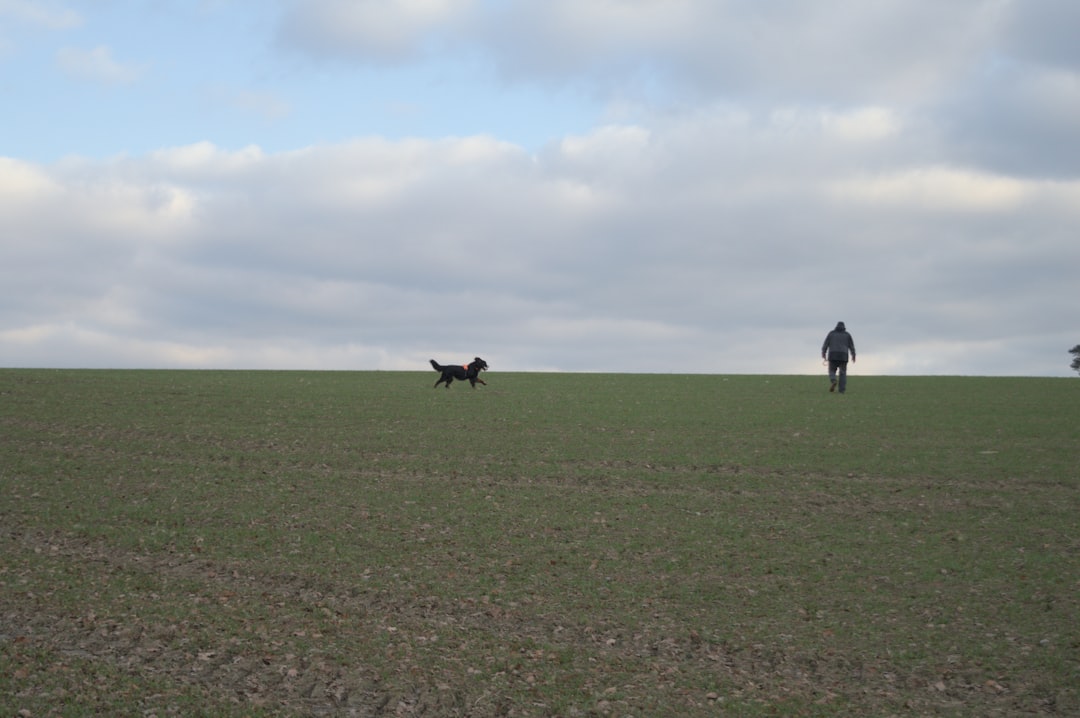
A tired dog is often a calmer dog. Regular physical exercise is one of the most underrated tools in managing canine anxiety. Exercise releases endorphins, burns off nervous energy, and promotes better sleep — all of which contribute to a more relaxed baseline state.
But physical exercise alone isn’t enough. Mental stimulation is equally important, especially for high-intelligence breeds prone to anxiety. A dog whose mind is engaged has less bandwidth left over for worry.
Try these energy outlets:
- Daily walks with sniff time: Let your dog set the pace occasionally and sniff to their heart’s content. Sniffing is enormously mentally tiring and naturally calming.
- Puzzle feeders and food toys: Kongs stuffed with frozen food, snuffle mats, and lick mats provide calming, repetitive mental engagement.
- Nose work and scent games: Hiding treats around the house or garden taps into your dog’s natural hunting instincts in a low-pressure, confidence-boosting way.
- Training sessions: Short, fun training sessions give your dog mental exercise and strengthen your bond simultaneously.
Building a predictable daily routine that includes exercise, play, rest, and training gives anxious dogs a sense of structure and control over their world — and that alone can significantly reduce anxiety levels.
Natural Remedies and Calming Products for Dogs

The market is full of products claiming to calm anxious dogs, and while no supplement replaces proper training and environmental management, some options have genuine evidence behind them. Always consult your veterinarian before introducing new products, especially if your dog is on other medications.
Evidence-supported options include:
- Adaptil (DAP pheromones): Available as diffusers, sprays, and collars, these synthetic dog-appeasing pheromones can help reduce situational and mild generalized anxiety.
- Thundershirts and anxiety wraps: Gentle, constant pressure on the torso mimics being swaddled and can have a calming effect on many dogs — particularly during thunderstorms or fireworks.
- L-Theanine and L-Tryptophan: These amino acids, found in some calming chews and supplements, support serotonin production and may promote relaxation.
- Melatonin: Some vets recommend low doses for situational anxiety such as noise phobias. Dosage matters — always check with your vet first.
- Calming music and white noise: Studies (including research by iCalmPet) have shown that certain types of classical music and bioacoustic recordings can measurably reduce stress in shelter and home dogs.
These remedies work best as part of a broader strategy — not as standalone fixes. Think of them as supportive tools that take the edge off while training and environmental changes do the deeper work.
When to Seek Professional Help

Sometimes anxiety is severe enough that home strategies alone won’t cut it — and that’s okay. Recognizing when to seek professional support is an act of love, not failure.
Consider reaching out to a professional if:
- Your dog’s anxiety is interfering significantly with their quality of life or daily functioning
- The anxiety is escalating despite consistent home management efforts
- Your dog has shown aggression rooted in fear
- You suspect a medical component (pain, neurological issues, hormonal imbalances)
- Separation anxiety is so severe that your dog is injuring themselves or causing major property damage
Who can help:
- Your veterinarian: First port of call. They can rule out medical causes and discuss medication options. Prescription anti-anxiety medications (like fluoxetine, clomipramine, or situational medications like trazodone) can be genuinely life-changing for severely anxious dogs.
- Veterinary behaviorist (DACVB): A board-certified specialist in animal behavior who can design a comprehensive treatment plan.
- Certified professional dog trainer (CPDT-KA) or applied animal behaviorist (CAAB/ACAAB): Qualified trainers with expertise in fear and anxiety can provide hands-on, evidence-based behavior modification support.
There is no shame in needing a team approach. Many dogs with anxiety go on to live happy, relaxed lives with the right combination of professional guidance, medication where needed, and an informed, patient owner.
| Product/Method | Best For | Ease of Use | Evidence Level |
|---|---|---|---|
| Adaptil Pheromone Diffuser | General & mild anxiety at home | Easy – plug in and go | Moderate (peer-reviewed studies) |
| Thundershirt / Anxiety Wrap | Situational anxiety (storms, fireworks) | Easy – dress and wear | Moderate (mixed studies, strong anecdotal) |
| Calming Chews (L-Theanine) | Mild anxiety, daily edge-taking | Easy – treat-based | Low-moderate (limited studies) |
| Calming Music / White Noise | General anxiety, separation anxiety | Easy – app or speaker | Moderate (iCalmPet research) |
| Prescription Medication | Moderate to severe anxiety | Requires vet prescription | High (clinical evidence) |
Frequently Asked Questions
What is the most effective way to calm an anxious dog?
There’s no single silver bullet — the most effective approach combines a safe home environment, consistent routine, positive reinforcement training (especially desensitization and counter-conditioning), and addressing any underlying medical issues. Severe cases may benefit from veterinary-prescribed medication alongside behavior modification.
Should I comfort my dog when they’re anxious?
Yes, but how you do it matters. Calm, quiet reassurance — gentle petting and a steady presence — is helpful. Avoid over-the-top emotional responses or baby talk, which can inadvertently heighten your dog’s arousal. You cannot “reinforce” fear itself by being kind, but staying calm is more helpful than being visibly distressed on your dog’s behalf.
Can dog anxiety go away on its own?
Mild situational anxiety sometimes decreases with positive exposure and maturity, but moderate to severe anxiety rarely resolves without intervention. In fact, without proper management, anxiety often worsens over time as the dog’s nervous system becomes increasingly sensitized to triggers.
Are anxiety medications safe for dogs?
Yes, when prescribed and monitored by a veterinarian. Modern veterinary anxiety medications have a strong safety record. They work best in combination with behavior modification — they reduce the emotional intensity enough for training to take effect, rather than masking the problem permanently.
How long does it take to see improvement in an anxious dog?
It depends on the severity of anxiety and consistency of intervention. Some dogs show improvement within weeks of implementing environmental changes and routine. Behavior modification typically shows meaningful results within 4–12 weeks of consistent work. Severe anxiety may require several months of combined medical and behavioral treatment.
Can diet affect dog anxiety?
Emerging research suggests gut health and diet can influence mood and anxiety in dogs. Diets high in quality protein (supporting serotonin production) and including probiotics may support emotional wellbeing. Avoid high-sugar treats or low-quality foods. Discuss any dietary changes with your vet, especially if anxiety is significant.
Leave a Reply